
Buying a TV on a budget doesn’t have to mean settling for a worse picture — it means knowing exactly where your money actually makes a visible difference, and where it doesn’t. Walk into most stores without that knowledge, and it’s easy to either overpay for features you won’t notice, or underspend on the one thing that actually matters for your room.
Start With the Question “What Will I Actually Watch?”
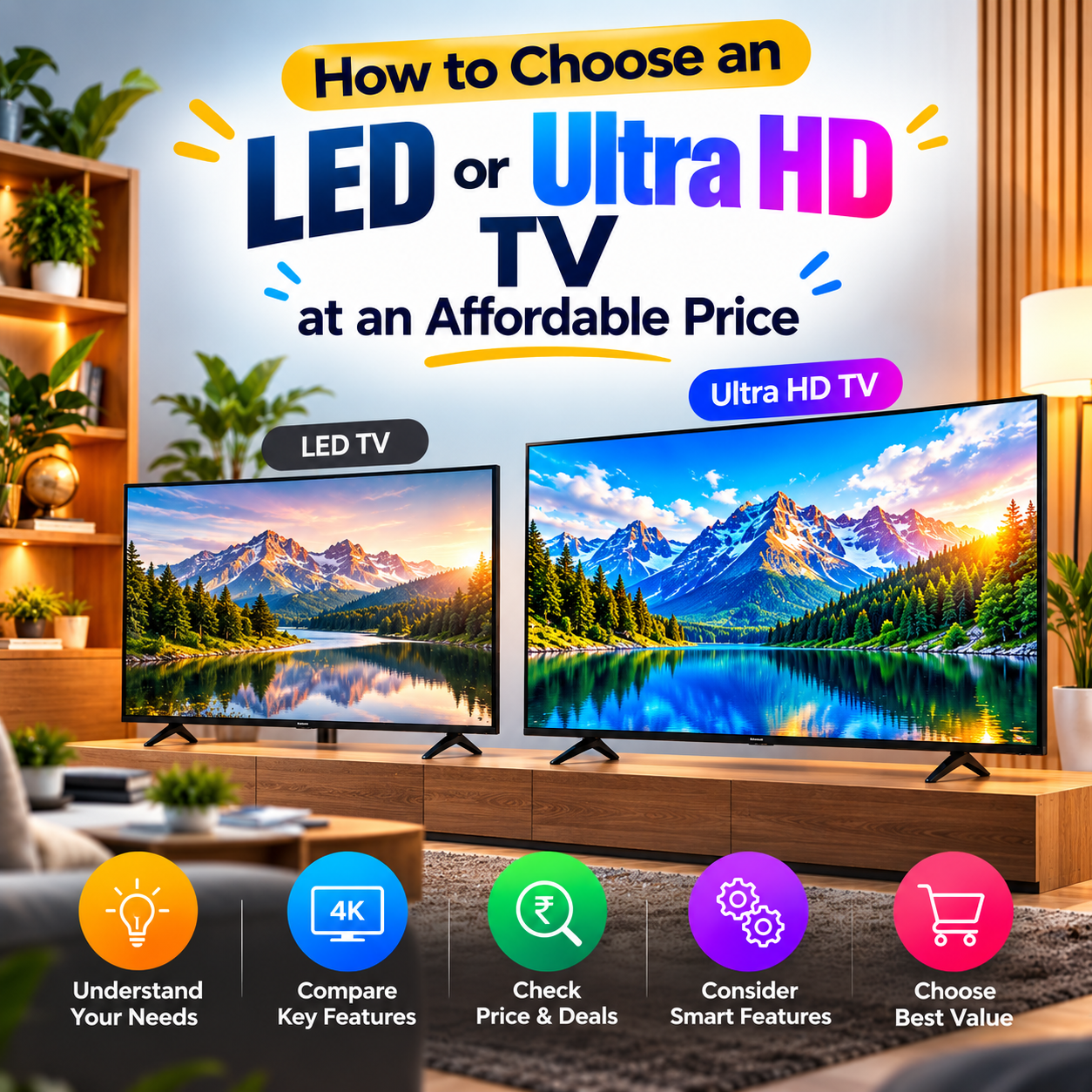
A standard LED TV handles regular cable, YouTube, and most streaming content perfectly well on screens up to around 43 inches. If the viewing habit is mostly news, daily shows, or casual background viewing, a 4K Ultra HD panel won’t add much you’ll actually notice at that size. EricssonPlus’s LED TV 43-inch and 32-inch Smart Android models are built exactly for this use case — smart features, smooth streaming, without paying extra for resolution the screen size won’t show off anyway.
Know When 4K Actually Becomes Worth Paying For
The jump to Ultra HD TV starts paying off once the screen crosses 43–50 inches, especially if regular viewing includes movies, sports, or larger-screen streaming content. At this size, resolution stops being a spec sheet number and becomes something genuinely visible — sharper textures, cleaner motion, better detail in dark scenes. EricssonPlus’s 43-inch 4K and 50-inch 4K QLED models sit right in this sweet spot: noticeably better picture quality without jumping into flagship pricing.
Don’t Pay for QLED on a Small Screen
Quantum Dot color technology is genuinely valuable — but mostly on larger screens, in brighter rooms, or where color accuracy from wider angles matters (a living room with multiple seating spots, for instance). On a 32 or 43-inch screen viewed mostly head-on from one seating position, the upgrade from standard 4K to QLED is far less noticeable. Save that budget for a size upgrade instead, if space allows.
The Budget Math That Actually Works
A simple way to allocate spend: prioritize screen size first for small rooms (since a smart, well-built LED TV beats an oversized budget 4K any day), and prioritize resolution first for larger rooms, where the extra detail is unavoidable to notice. Features like voice assistant, built-in casting, and a responsive smart interface matter across every price point and shouldn’t be the thing compromised to afford a bigger screen.
The Real Takeaway
The most affordable “good” TV isn’t the cheapest one on the shelf — it’s the one where resolution, size, and panel technology are actually matched to how and where it’ll be watched. Spending less doesn’t mean settling, as long as the spending is going toward what the room and the viewing habit will actually use.
Leave a Reply